Editorial field guide3 min readUpdated 3 October 2026
Contents and media references
A point-of-view video places the audience close to the camera wearer’s perspective. The viewer sees the journey, the task or the encounter as it unfolds in front of that person.
Camera-equipped smart glasses make this approach hands-free. You can show a process, walk through a space or document an experience while keeping both hands available. The camera sits near eye level, but its framing is not identical to human vision: it does not automatically show exactly where your eyes look.
POVideos is our name for exploring this creative territory. POV is the established abbreviation for point of view. We connect wearable capture with augmented reality and the much older art of telling a story from inside someone’s experience.
SOURCE MATERIAL / CLOSE READING
One viewpoint, different relationships
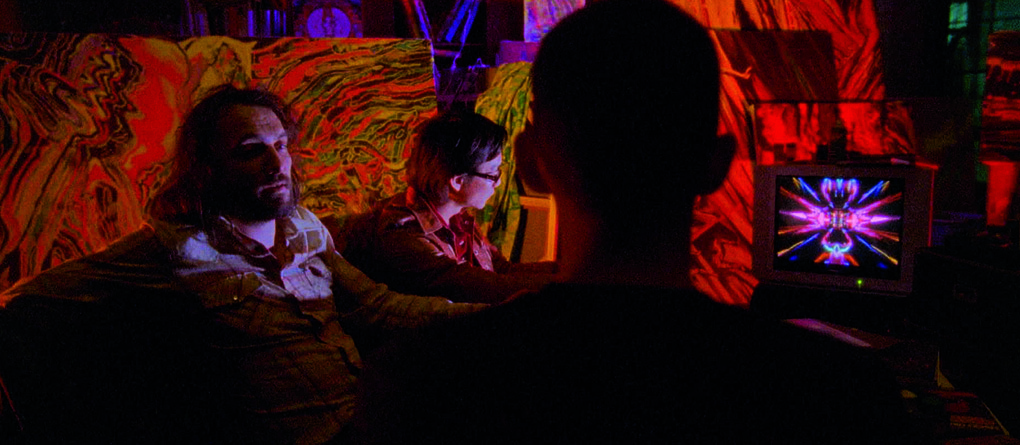
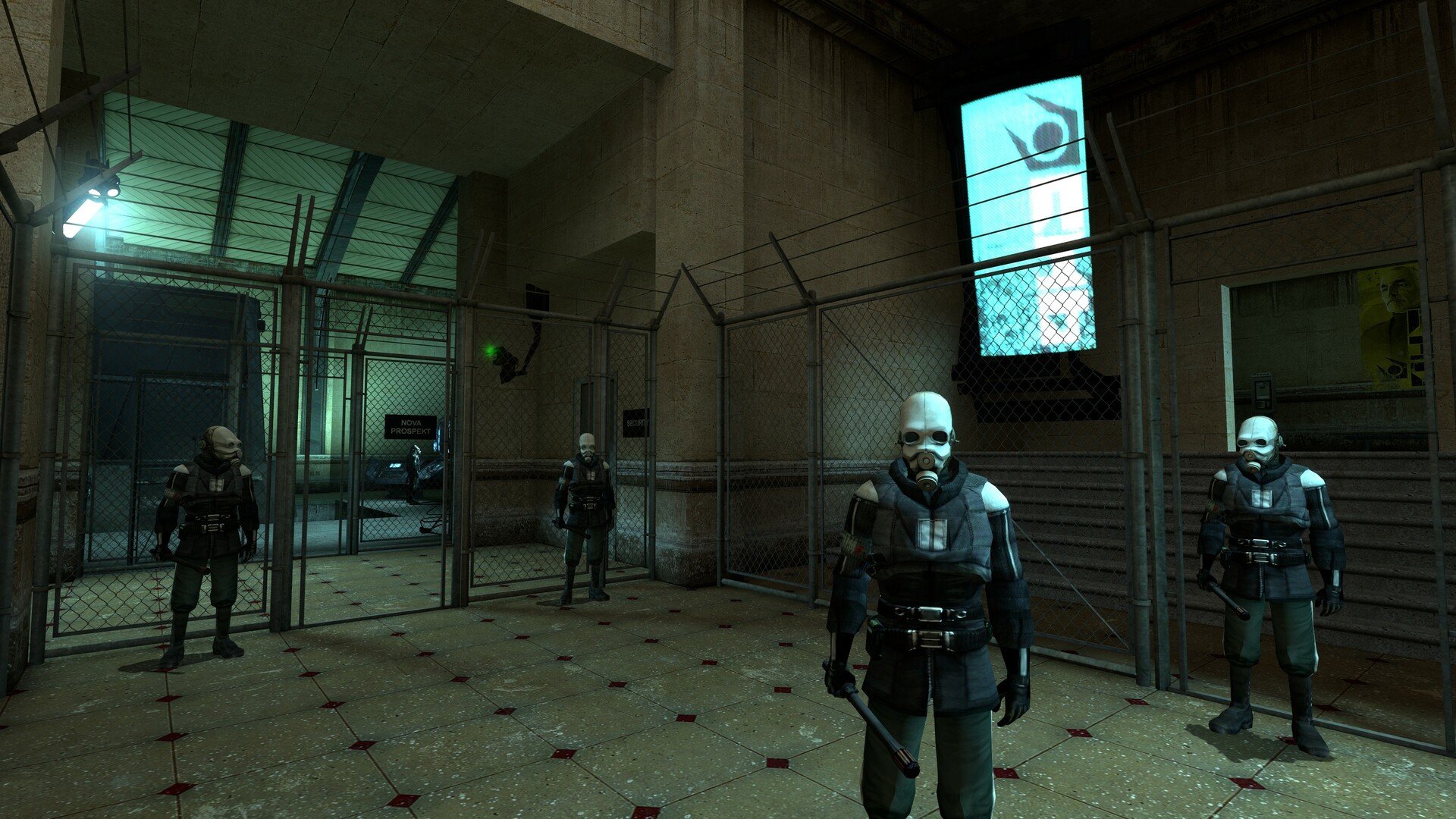
Compare looking through a character with participating inside an environment. The image alone does not tell us what the audience can control.
Enter the Void combines bodily viewpoint with other forms of subjective imagery. A publicity still cannot establish the perspective of the entire film. Image source: Transmission Films Half-Life 2 stages a virtual encounter in front of the player. The audience can direct their gaze while remaining inside the game world. Image source: Valve
POV video meaning: three formats that share a name
A literal point-of-view shot shows the world from a character’s position. A wearable POV video records from a camera attached to the person doing the action. A social-media clip labelled “POV” may instead present a relatable scenario, even when the camera faces the actor. These formats can all be useful, but they ask the audience to imagine different roles. Be specific when briefing a crew or describing a finished piece.
Example: teaching a practical skill
Imagine demonstrating how to replace a bicycle inner tube. An external camera shows the whole bicycle and your posture. A first-person camera shows how your hands hold the tyre lever and where the valve sits. The best explanation may combine both. Use the wide view to establish the task, then use POV footage for the detail a learner needs to repeat.
Example: discovering a place
A gallery walkthrough can follow a visitor from the entrance to one artwork. The opening establishes where they are. A pause at a label explains what attracts their attention. A final close encounter gives the journey a destination. A continuous walk without those decisions records a route, but may not communicate why the route matters.
First-person perspective does not guarantee empathy
A camera position gives access to a view, not automatic access to a mind. The audience still needs enough context to understand the person’s intention. A voice, a meaningful object or a visible decision can supply that context. Consider what the protagonist knows, what the viewer knows and how that difference changes over the sequence.