Editorial field guide5 min readUpdated 3 October 2026
Contents and media referencesAre smart glasses and AR glasses the same thing?
No. Smart glasses may offer a camera, audio or an information display. AR glasses add digital content to a view of the physical world, with capabilities that depend on the device and software. Check support for spatial tracking, interactions and recording separately.
Can I make POV videos without AR glasses?
Yes. Camera-equipped glasses and other wearable cameras can record point-of-view footage. You need AR capabilities only if the experience itself should include digital content in the physical environment.
Does a video show exactly what the wearer sees?
Not necessarily. The camera’s position, field of view and exposure differ from human vision. Digital content visible in the lenses may also require a separate capture or compositing workflow to appear in the exported video.
What makes a good first-person story?
A clear objective, understandable action and a meaningful change. Give viewers enough context to follow the journey, use sound and pacing to guide attention, and end with a discovery or outcome.
Can Munchingsquare help develop an AR experience?
Munchingsquare works across augmented reality and creative technology. Visit the studio to explore its work and discuss your audience, platform and production requirements.
No. POVideos is an editorial project about AR glasses, POV video and first-person storytelling from Munchingsquare. Device names are used to explain the technology; this page does not imply a manufacturer partnership.
Is recording people in public through camera glasses a privacy concern?
Yes. Glasses can make recording less obvious than holding up a phone, so a bystander may not realise their face, voice, location or conversation is being captured. A recording light can help signal activity, but it does not ensure that everyone notices or understands it.
Being in a public place does not make every use of someone’s image harmless. Recording a passing crowd, deliberately following a person and publishing an identifiable conversation create different privacy concerns. Children, distressing situations and sensitive locations deserve particular care.
For a planned story, tell participants what you are recording and how it will be used. Make the recording apparent, respect requests to stop, avoid unnecessary capture and review faces, voices and personal details before sharing. Where practical, crop, blur or remove material that is not needed for the story.
UK context: the ICO distinguishes purely personal or household recording from organisational video surveillance. Which rules apply depends on the purpose and use of the footage; a public location alone does not settle that question. Other countries have different rules.
ICO: immersive technology and bystander transparency ICO: scope of video surveillance guidance
SOURCE MATERIAL / CLOSE READING
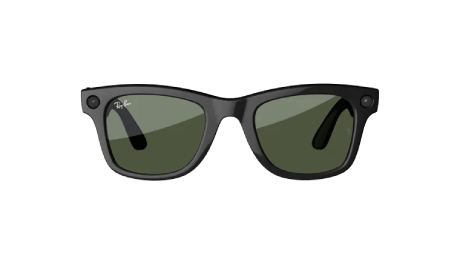
A familiar frame, a less visible camera
Camera glasses make recording part of an everyday object. That changes how clearly bystanders can recognise a recording situation.
Front view of Ray-Ban Meta camera glasses. Product familiarity does not replace a clear explanation of recording, use and publication. Image source: Meta
Practical questions about POV video and camera-glasses privacy
Good answers depend on the intended use. A family recording, a commissioned promotional film and an interactive exhibition involve different audiences and responsibilities. Begin with what is captured, who can be identified and where the output will go. The scenarios below are practical editorial examples, not universal statements about the law.
What if another person walks into the shot?
A passing bystander may be incidental to a useful scene. Review whether they remain recognisable and whether their presence is necessary to the story. A different crop or take can sometimes avoid the issue. If the edit gives that person special attention, the situation changes: they have become a subject rather than background. Be clear about that distinction when planning a public recording.
What if the glasses record a conversation?
Audio can reveal personal information even when a face is outside the frame. Listen for names, addresses, workplace details and private discussions before publishing. A wide image does not make an intelligible conversation anonymous. For a planned interview or collaborative scene, explain the recording and intended audience in advance rather than relying on the visible device alone.
What should a recording notice communicate?
For a planned project, make the notice specific: who is recording, what they are making, where the footage may appear and how participants can ask a question. A useful spoken explanation might be “I am recording a workshop demonstration for our project website; please tell me if you would prefer to stay out of the shot.” This is an example of clear communication, not a substitute for requirements that apply to a particular production.
Are a recording light and consent the same thing?
No. A light may indicate that the device is active, but a person might not see it, recognise it or understand where the recording will go. Treat the signal as one part of making the activity understandable. In a close interaction, a direct explanation is usually clearer than expecting someone to infer the recording state from the frame of the glasses.
Does blurring a face remove every privacy concern?
Not necessarily. A voice, distinctive clothing, a workplace badge, a location or the surrounding event can still identify someone. Review the whole piece, including captions and narration. If the information is unnecessary, removing the segment may be more effective than applying one visual effect. Keep original footage handled appropriately even when the public version has been edited.
What changes when footage is published?
A recording seen by a few participants can reach a much larger audience after an upload. Consider the context a stranger will receive, whether a short edit changes the meaning of an interaction and whether the people involved understood the planned use. Avoid assuming that permission for one setting automatically describes every future use.
Where can UK readers check the rules?
The ICO’s video-surveillance guidance explains its scope and distinguishes organisational use from purely personal or household activity. Its immersive-technology report discusses transparency concerns for bystanders. Check the context of your recording and the rules in the relevant jurisdiction rather than treating “in public” as a complete answer.